Cyberpunk 2077: Night City Made Me a Cyberpsycho
Fair warning: most of the screenshots in this review are of the women of Night City, not its skyline. The game isn't even mine, it's my friend Restu's, and it still turned me into a full cyberpsycho.
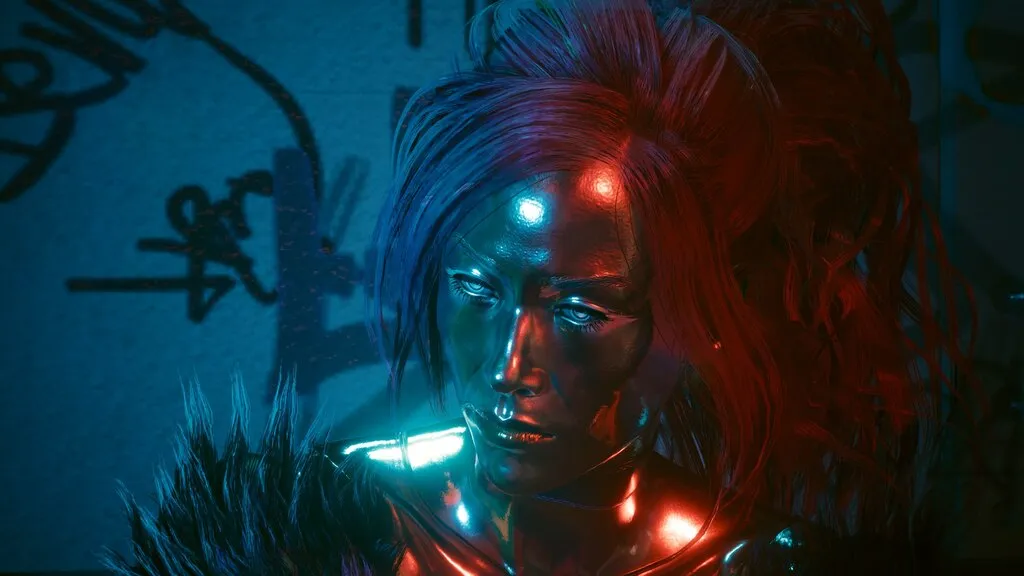
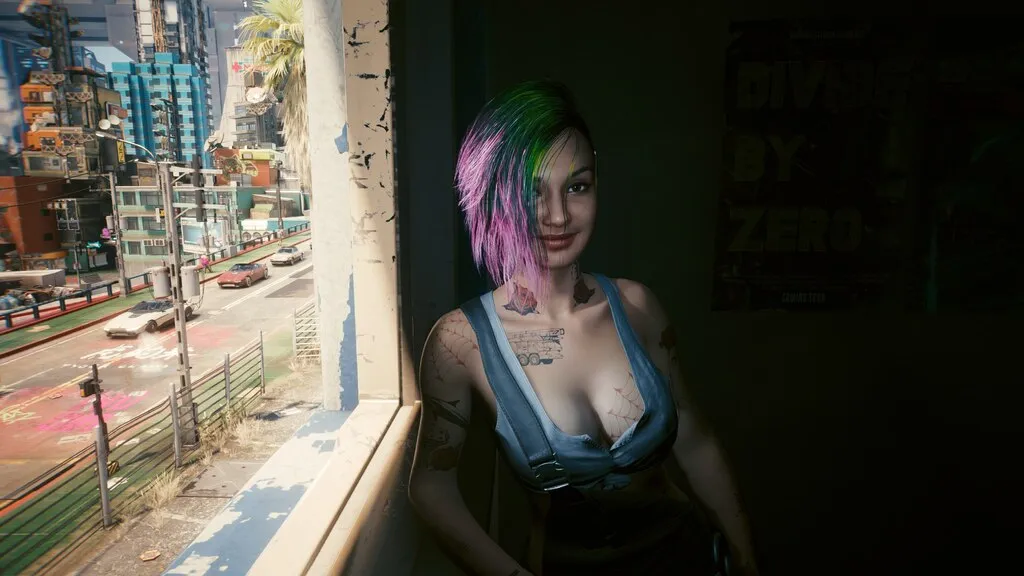
I want to say this up front, because it explains half the images in this post: a lot of what you are about to scroll past is me stopping to photograph the women of Night City. Not the skyline. The characters. Panam leaning on a car, Judy lit in aquarium blue, Songbird half in shadow. The writing and the faces behind these women are a big part of why this game got its hooks in me, and my screenshot folder shows it.
But I almost never played it.
The Game I Kept Putting Off
Cyberpunk 2077 sat on my wishlist for a long time. I knew the story of its launch, the broken 2020 release, the memes, the refunds, the last generation consoles running it like a slideshow. By the time I was interested, the game had already been patched into something else, but I still hesitated. It looked complicated. It looked like the kind of game that expects you to already know what a quickhack is and why you should care.
So I waited, and in the end I didn't even buy it. This game isn't mine. It belongs to my friend Restu, and I played the whole thing on his copy. Nobody had to sell me on the expansion, not Restu, not anyone. By that point I was so deep in the story that the thought of pushing on without Phantom Liberty, leaving a hole in the flow right where it weaves into the main game, bothered me more than the price did. So I did the only reasonable thing. I waited about a month for the summer sale, and I spent that month wearing Restu down until he caved and bought the DLC. He owns Cyberpunk. He owns Phantom Liberty. I just owe him for both. Shoutout to Restu. Some friendships are built on shared taste. This one is built on me spending his money, and I'm grateful for it.
This was also my first open world first person game. I had played shooters and I had played big open world games, but never both at once, and never one this dense. The first few hours were a lot. Menus inside menus, a skill system I didn't understand, a map covered in icons, a city that clearly did not care whether I was keeping up. I bounced off it once. I put it down, felt a little defeated, and left it alone for a while.
Then I came back. And something clicked. And I did not put it down again until I had done everything I could think of to do.
Night City
Let me get to the reason for all the screenshots.
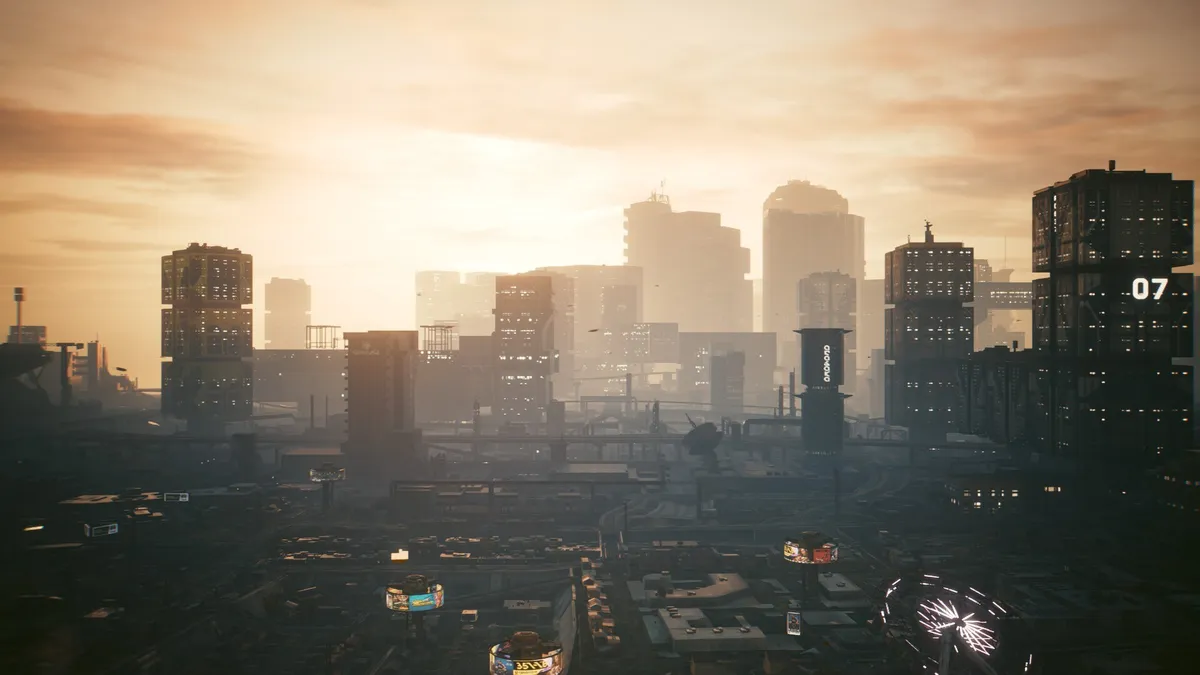
Night City is the best realized city I have spent time in. Not the biggest, not the one with the most square kilometers to drive across, but the one that feels the most like a real place. It is vertical in a way most open worlds never bother with. You look up and there are layers of city stacked above you, walkways and neon and traffic running on levels you can barely reach. You look down an alley and there are people living their small, grim, specific lives. Every district has its own personality. Watson feels cramped and immigrant and alive. Westbrook is money and rot sitting next to each other. The Badlands outside the wall is all dust and sky and the sense that the city is a wound in the middle of nowhere.
The light is what gets me. Dawn over the city, that orange haze coming through the smog. The neon at night reflecting off wet asphalt after it rains. The way an interior can be lit like a painting, every scene framed like the art team knew exactly where you would stand. I have played prettier games in a technical sense. I have not played one that made me want to stop and just look this often. And the best lit thing in the whole city is usually a person standing in the middle of it, which is a big part of why the women of Night City ended up filling my screenshot folder instead of the rooftops.
A city this good does a strange thing to a game. It makes the downtime the point. I would finish a job and then just drive, no destination, radio on, watching the place go by. Most open worlds treat their map as a series of chores between story missions. Night City is the reason I stopped treating the map that way.
The Sound of Night City
I keep coming back to how this game sounds. Night City has a pulse, and a lot of it is the score. The music is a mix of synthwave, industrial, and dirty electronic noise that sits under everything, and it knows exactly when to get loud.
The action music is where it earns its reputation. During the heist, when everything is going wrong and V is scrambling through Arasaka Tower, the score turns into a pounding, panicked thing that makes your hands sweat. Combat runs on the same energy. The second a fight kicks off the music slams into gear, all distorted synths and drums, and a plain shootout suddenly feels bigger than it is. There are gunfights I remember mostly because of what was playing over them.
Then there is SAMURAI, the in game band fronted by Johnny Silverhand and played in real life by the punk band Refused. Their tracks are woven through the story, and one of them got its hooks in me and would not let go. It comes from the gig "A Like Supreme," and I cannot tell you how many hours I spent with that riff stuck in my head, humming it while I drove across the city. You can hear it here. Fair warning, it does not leave.
And I cannot talk about the music without the one song everyone knows now. "I Really Want to Stay at Your House" by Rosa Walton is on the radio in the game, a soft, aching synthpop track that sounds like heartbreak in neon. It went from a nice deep cut to something huge because of Cyberpunk: Edgerunners, the Netflix anime that used it for its gut punch of an ending. That show pulled off something rare. It took a game people had written off after launch and made a whole new wave of players fall in love with Night City, and it did a lot of that on the back of this one song. I came to the game after all of that, and I get it now. The music is a big part of why Night City got a second life.
Add the radio stations you flip through while driving, the licensed tracks, and the way a quiet piano cue can turn a small moment heavy, and the sound is doing as much of the work as the visuals. Half the reason Night City feels alive is that it never stops singing at you.
Becoming a Cyberpsycho
The turn from confused to obsessed happened somewhere in the systems.
Once the mechanics stopped feeling like homework and started feeling like a toolbox, the game opened up completely. I stopped playing it like a shooter with extra steps and started playing it like a puzzle where I got to build the solver. That is when the phrase in my head changed from "I don't get this" to "one more contract, then I'll stop." I never stopped. I turned into a cyberpsycho, which in this game is a specific thing, a person whose cyberware has pushed them past the edge of being a person. I mean it more loosely. The city and its systems got into my head and I could not leave them alone.
The best games do this. They teach you a language you didn't know you wanted to learn, and then hand you the keys and let you go feral with it. Cyberpunk took a while to teach me the language. Once I had it, I was gone.
The Build: My Canto and the 2.0 Rework
The systems deserve a real look, because the 2.0 rework is a huge part of why this game works now and did not at launch.
The old skill system was a mess of tiny percentage bonuses that never made you feel anything. The reworked version ties your power to your cyberware and your perks in a way that changes how you play. You have a cyberware capacity budget now, so you cannot just bolt on every implant in the city. You have to choose. Armor comes from your implants instead of your pants, which sounds small but completely changes how you build a character. Every point feels like it goes somewhere.
I went the netrunner route, because of course I did. There is something about standing across a courtyard, invisible, reaching into a guard's skull through the network and making his own grenade go off, that no amount of shooting can match. Quickhacks turn combat into a chess match you play before anyone knows there is a fight. Spread a contagion through a room and watch it jump body to body. Blind a camera, short out a mech, make a room full of gangoons turn on each other while you never fire a shot.
The heart of that build is the cyberdeck, and I have been chasing the Militech Canto MK6, the top tier deck you craft yourself through the Experimental Prototyping path. Building toward it, learning the crafting requirements, hunting the pieces, has been its own little side obsession. A good build in this game is a project, not a menu you fill out once. Mine happens to be a netrunner who barely touches a gun, and the city bends to it in a way that still feels a little illegal.
Guns are good too, for the record. Smart weapons that lock on, tech weapons that shoot through walls, the satisfying weight of a well modded power pistol. Driving got better with 2.0 as well, the cars finally handle like they have weight, and the new car chases and vehicle combat give you a reason to use them beyond commuting. But the netrunning is where the game let me feel like the city was mine to reach into.
The Story: A Chip in Your Head
The setup is simple and cruel, and it gets more complicated the more you learn. You play V, a mercenary trying to make a name in Night City. A job goes wrong, a piece of experimental tech ends up jammed into your skull, and the only way to keep it from being destroyed is also the thing that is going to kill you. Everything after that is V trying to outrun a clock they cannot see but always feel.
The Heist
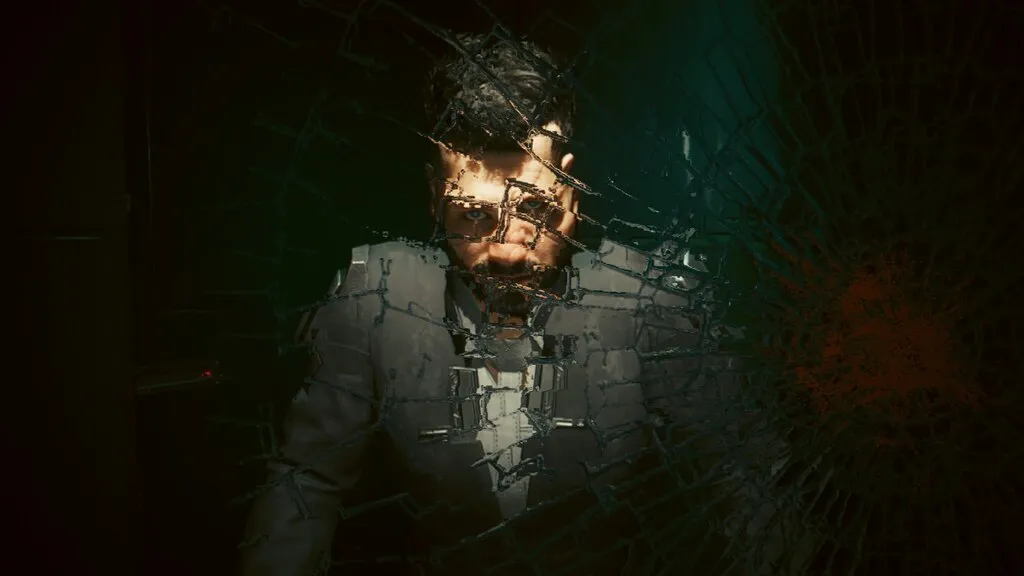
It starts with the score that is supposed to make you. V and Jackie Welles, the friend and partner who carries the whole opening on his back, take a job from the fixer Dexter DeShawn to steal the Relic, a prototype Arasaka biochip, out of Yorinobu Arasaka's penthouse. Evelyn Parker set it up, the netrunner T-Bug runs overwatch, and for about twenty minutes it feels like V is finally about to break into the big leagues. Then it all comes apart in the worst possible way. Hidden in that penthouse, V watches Yorinobu murder his own father Saburo Arasaka, the most powerful man on the planet, and suddenly two street mercs are witnesses to a corporate assassination, holding the one device everyone in Night City will now kill to get back.
Dying in a Landfill
The getaway is a disaster. Jackie takes a fatal hit, the Relic is damaged in the chaos, and to keep the chip safe V slots it into their own neural port. That should be a temporary problem. It becomes a permanent one when Dex, the fixer who hired you, decides the cleanest way to bury a job this hot is to bury the people who pulled it. He puts a bullet in V's head and dumps the body in a landfill. V should be dead. The Relic keeps them breathing, and starts quietly overwriting who they are.
The Ghost in Your Head
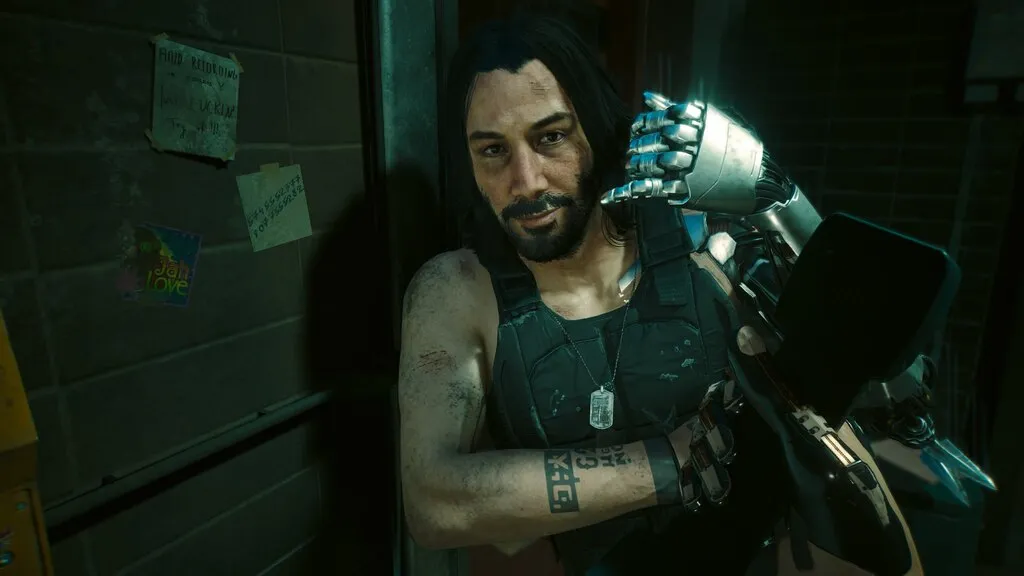
What is on the chip is a person. Johnny Silverhand, a rockerboy and terrorist who spent his life at war with the corporations and tried to level Arasaka Tower back in 2023. Arasaka killed him and trapped his personality on a chip with a program called Soulkiller. Now that engram is running inside V, and every day there is a little less V and a little more Johnny. The ripperdoc Vik gives it to you straight: take the chip out and you die, leave it in and you die. Six months, maybe.
Johnny is played by Keanu Reeves, and I braced for stunt casting. It is not. He is an arrogant, self righteous, occasionally right pain in the neck who lives in your head and argues with you about everything, and he is one of the best written characters I have shared a game with. The relationship between V and Johnny is the actual spine of the story. It starts as pure hatred, two people forced to share one skull, and it slowly turns into something like respect and then something like grief. His whole history, his lost love Alt Cunningham, his failed war, his reasons for becoming the thing everyone feared, all of it slowly reframes the man from a monster in your head into someone you understand. By the end I cared about a terrorist who spends most of the game insulting me, which is not a sentence I expected to write.
Chasing a Cure
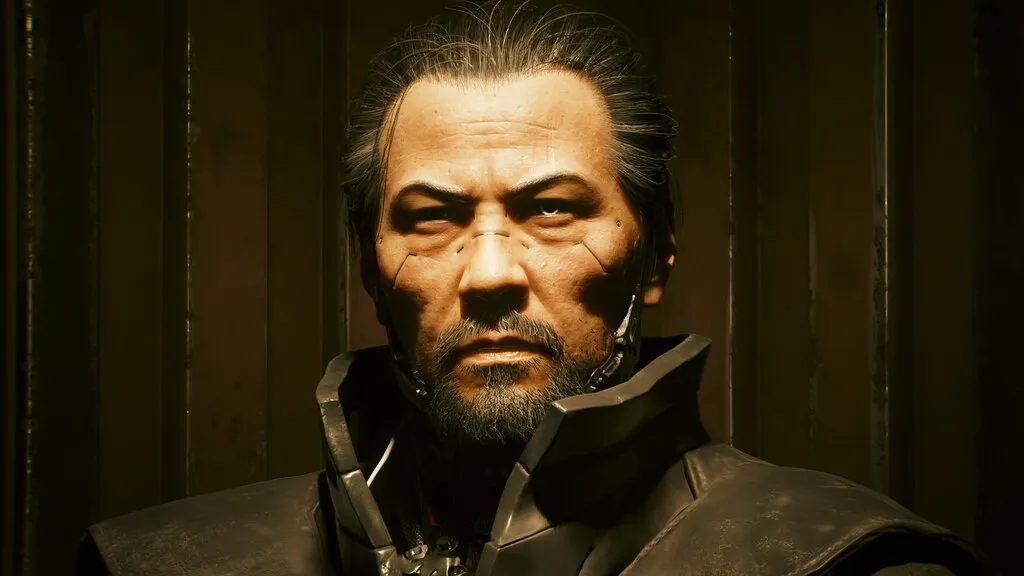
The rest of the main story is V running down every possible fix, and learning that the world is full of people who want the chip and empty of people who care about the person carrying it. Goro Takemura, Saburo's loyal bodyguard who also survived the heist, wants to expose Yorinobu and thinks the way through is Arasaka's own daughter, Hanako. The Voodoo Boys, the netrunners of Pacifica, want to use V as a way to reach Alt Cunningham on the far side of the Blackwall, the wall that holds back the rogue AIs. Every faction has a use for you. None of them have a cure. The closer V gets to the truth, the clearer it becomes that there is no clean way out of this, only a choice about how to spend what is left and who to spend it with. That is the engine sitting under all the endings.
The People of Night City
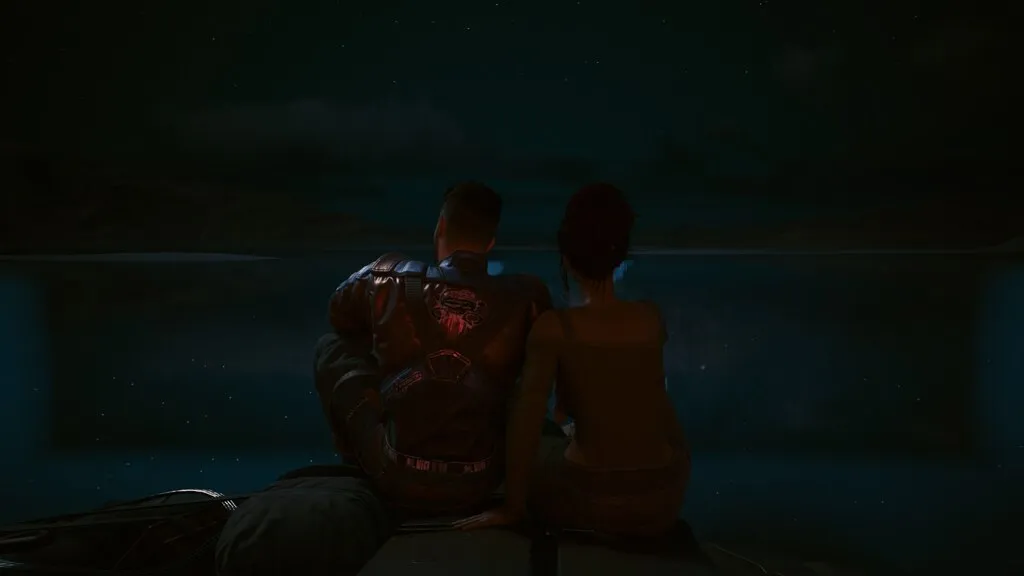
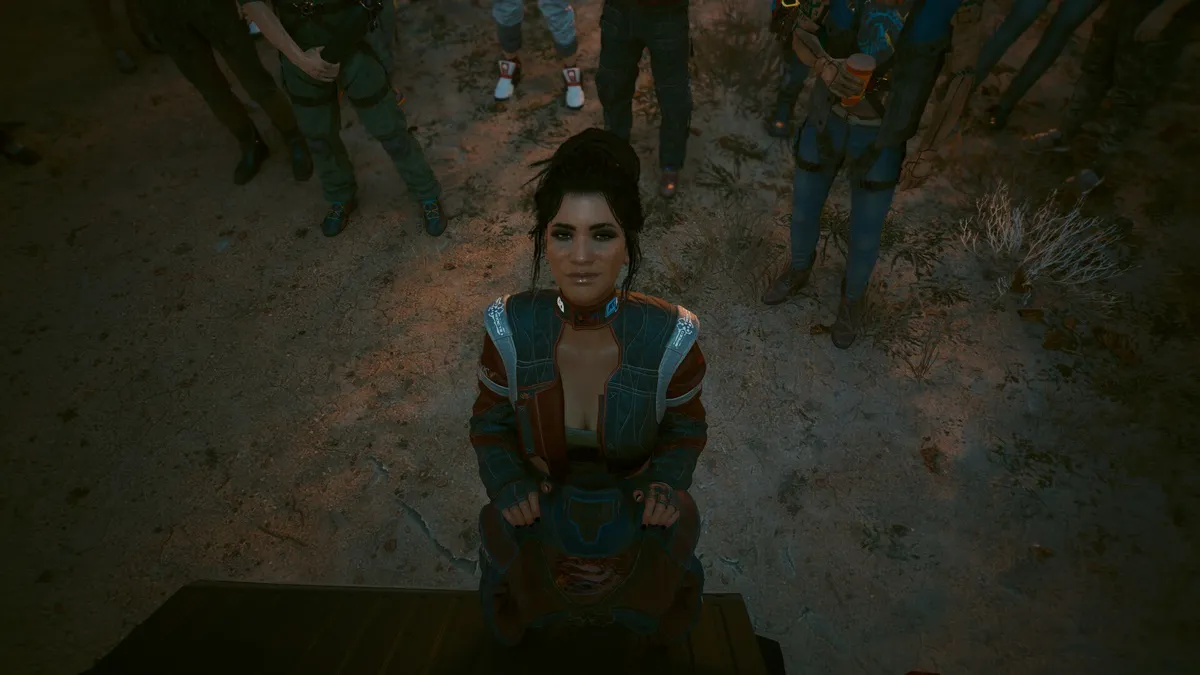
The side characters are where Cyberpunk quietly becomes one of the best written games I have played.
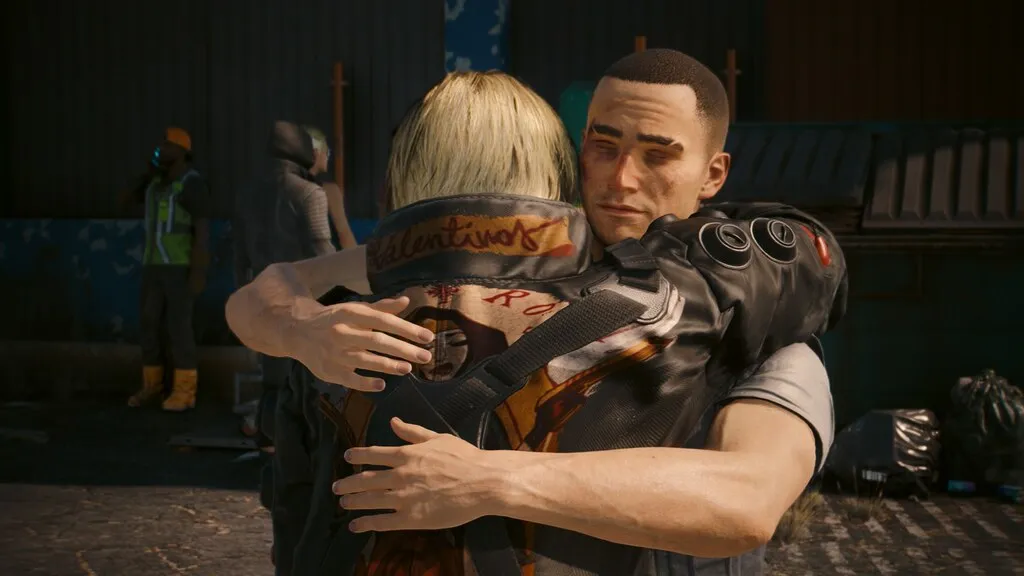
Panam and the Aldecaldos gave me the family the story keeps dangling. Judy gave me the one relationship that actually made the city feel survivable. Jackie, early on, is the friend whose loss sets the whole tone, and the game is smart enough to make you feel it before it asks you to care about anything else. Even the minor players, Vik the ripperdoc, Misty with her tarot cards, Rogue running the Afterlife, Kerry burned out and rich and bored, they all read like people with lives that continue when you are not looking.
The side quests are the real writing showcase. The best ones are not about saving the world. They are about a washed up musician, a dead friend's messages, a religious debate with a man being crucified for a documentary, a possessed vending machine that might be a person. These are the stories that stuck with me longer than the main plot, and they are the reason I kept clearing the map long after the story gave me every reason to rush to the ending.
The Women of Night City
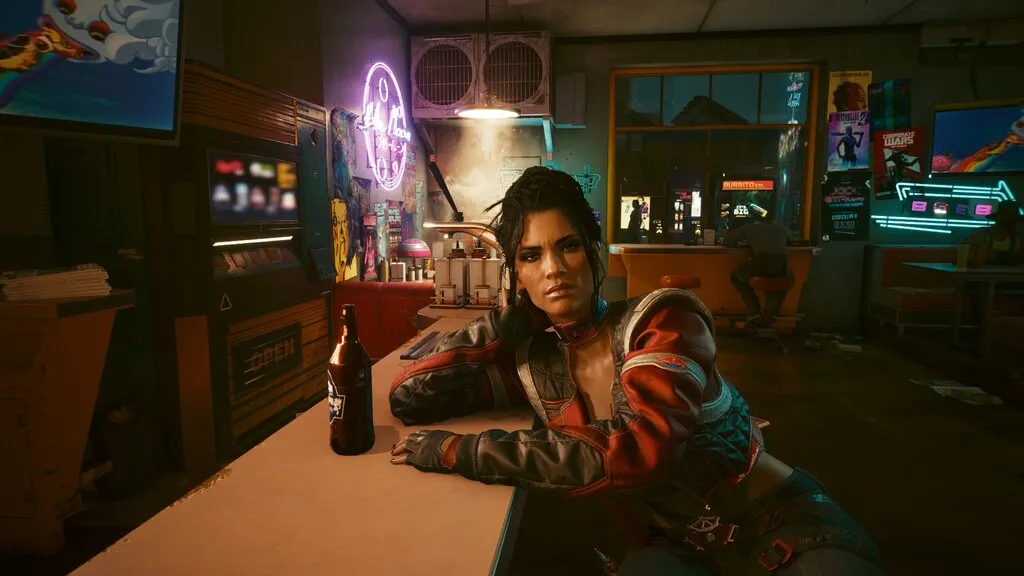
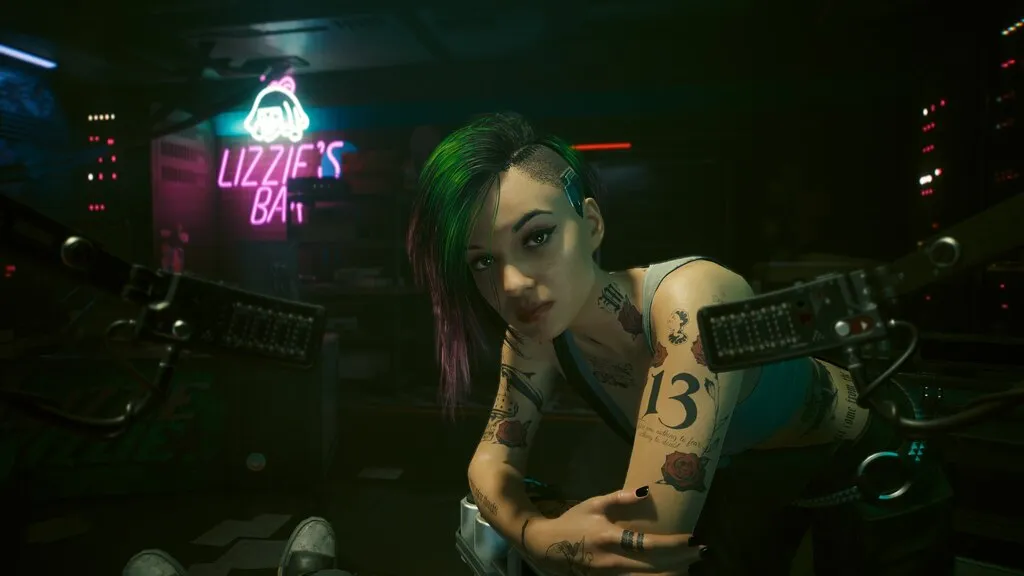
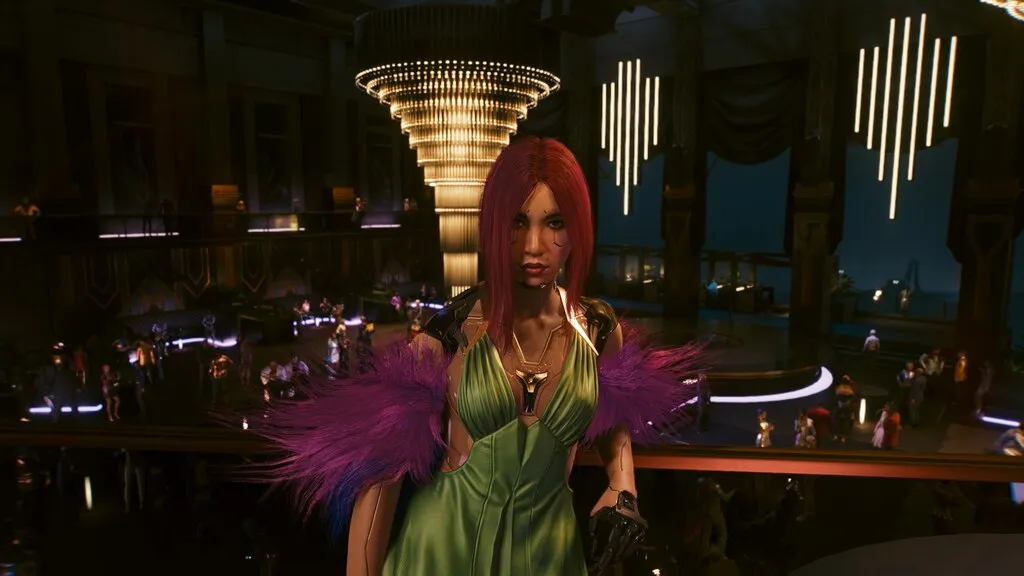
I promised you at the top that most of my screenshots would be women, so let me own that. Night City is full of some of the best looking and best designed women I have seen in a game, and I do not just mean pretty. I mean characters with faces that hold an expression, styling that tells you who they are before they say a word, and lighting that treats them like the most important thing in the frame.
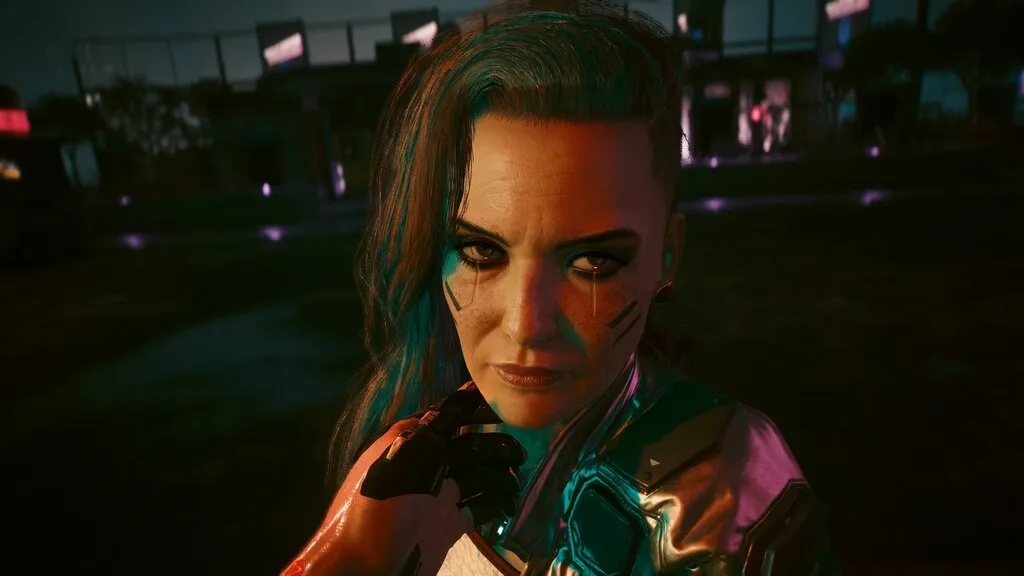
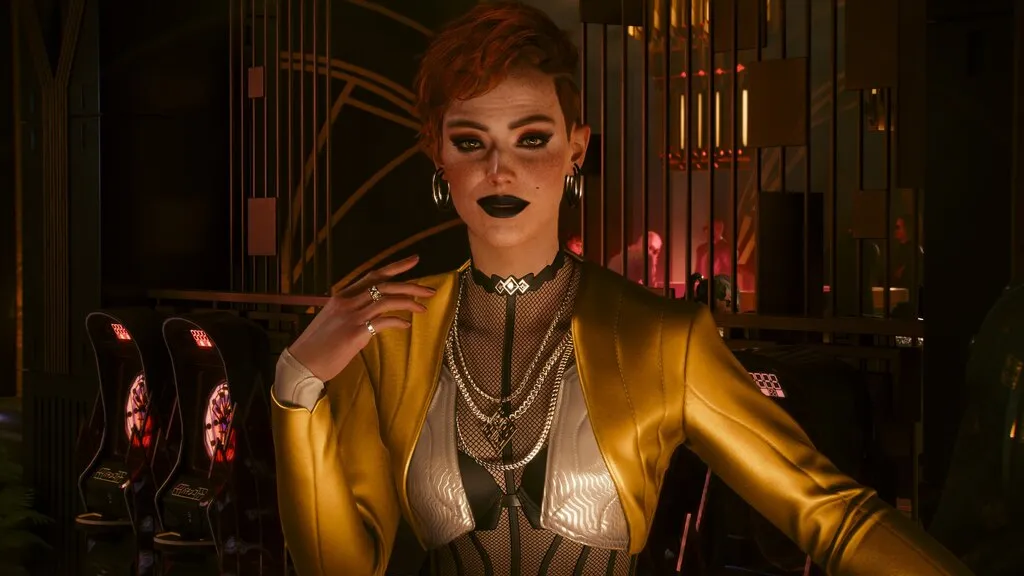
Panam is all warmth and desert dust, the kind of beautiful that comes with a scowl and a wrench in her hand. Judy, with the teal hair and the ink and the softness she keeps trying to hide, is the one who quietly became the heart of my whole playthrough. Songbird is haunted and a little unreal, gorgeous in a way that already feels like a ghost. Then there are the ones who pass through and stay with you anyway, Aurore Cassel and her cool elegance, Rogue who at nearly ninety still turns heads and stays the most dangerous person in any room she walks into, even Meredith Stout with all her corporate edges. The art team gave each of them a specific kind of beauty, and none of them blur together.
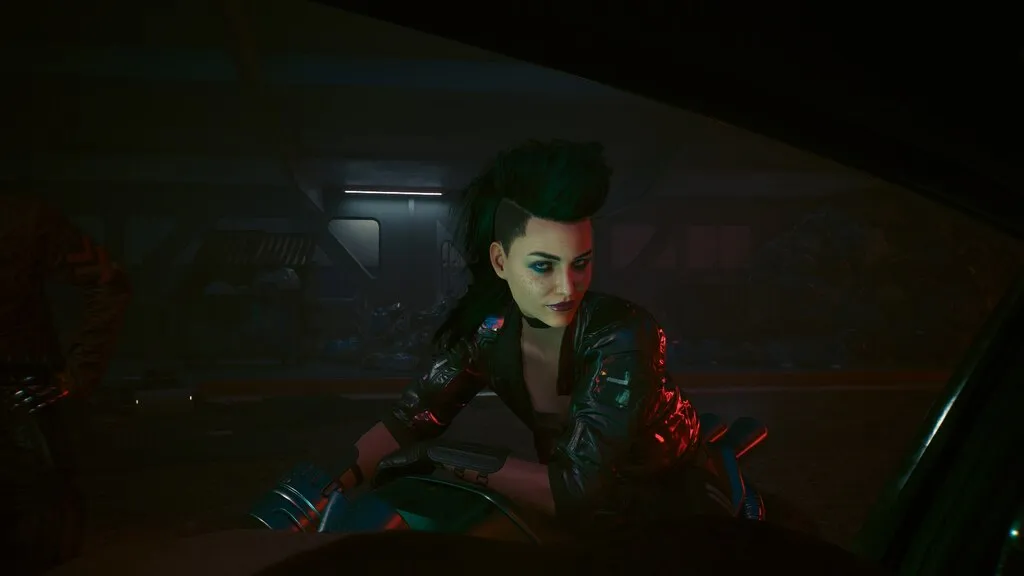
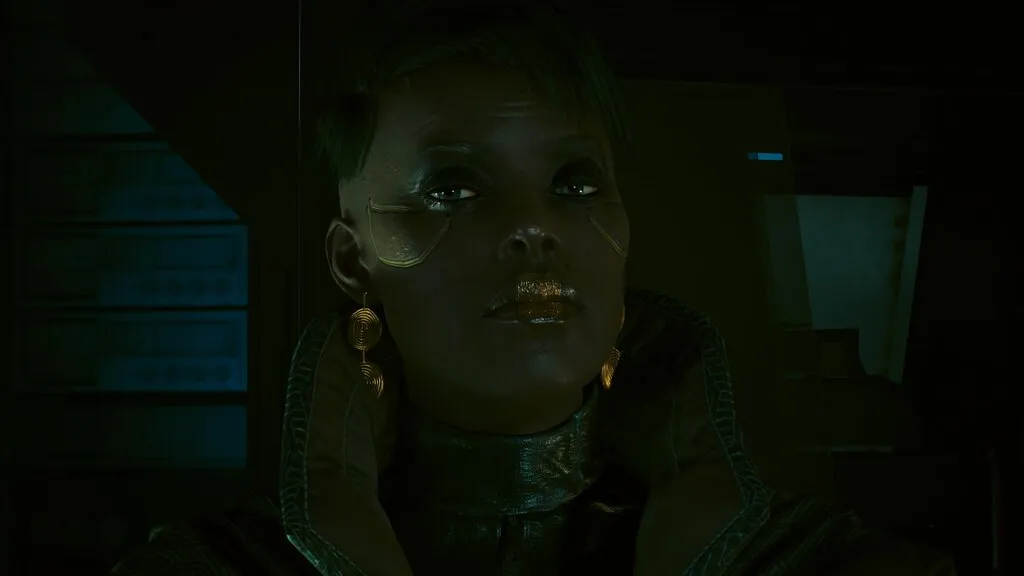
That is what my photo mode folder is really made of. Not skylines. Faces. V standing a little too close to Judy in the neon. Panam caught mid laugh by a fire out in the Badlands. A quiet frame of Songbird before everything around her goes wrong. The city is stunning, but the women living in it are the reason I kept stopping to take pictures, and they got the lion's share of the shutter.
Phantom Liberty: Dogtown
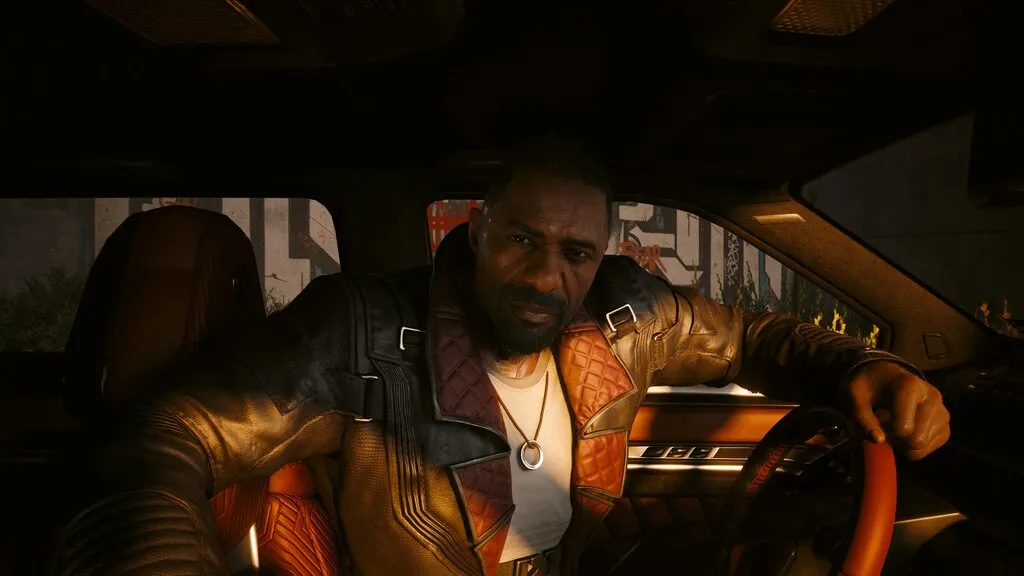
Then there is the expansion I strong armed Restu into buying, and I owe him for it, because Phantom Liberty is the best thing about the whole package.
It drops you into Dogtown, a walled off district run by a warlord, cut off from the rest of the city, lawless even by Night City standards. The tone shifts from street level crime story to full spy thriller. The President of the New United States crash lands in Dogtown, you get pulled into saving her, and you fall into a web of double crosses involving a netrunner called Songbird and a burned spy named Solomon Reed, played by Idris Elba.
Elba is excellent, tired and dangerous and human. The whole expansion is a story about trust and how everyone in this world spends it like currency they know is counterfeit. Nobody is fully honest with you. Everyone has an angle. Reed wants Songbird. Songbird wants out. The government wants its asset back. And V, dying and desperate, gets dangled the one thing the base game swears you cannot have: a real cure.
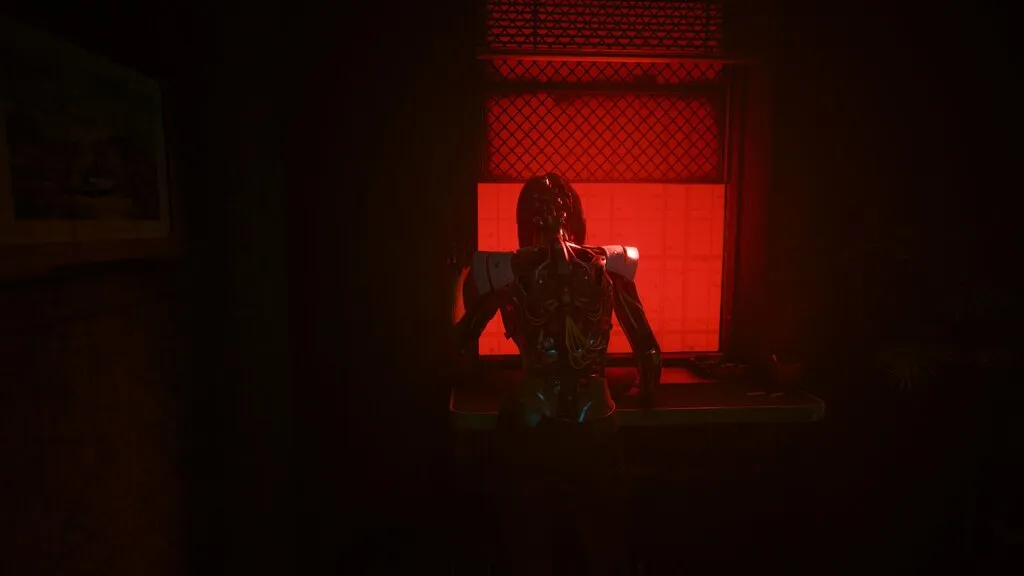
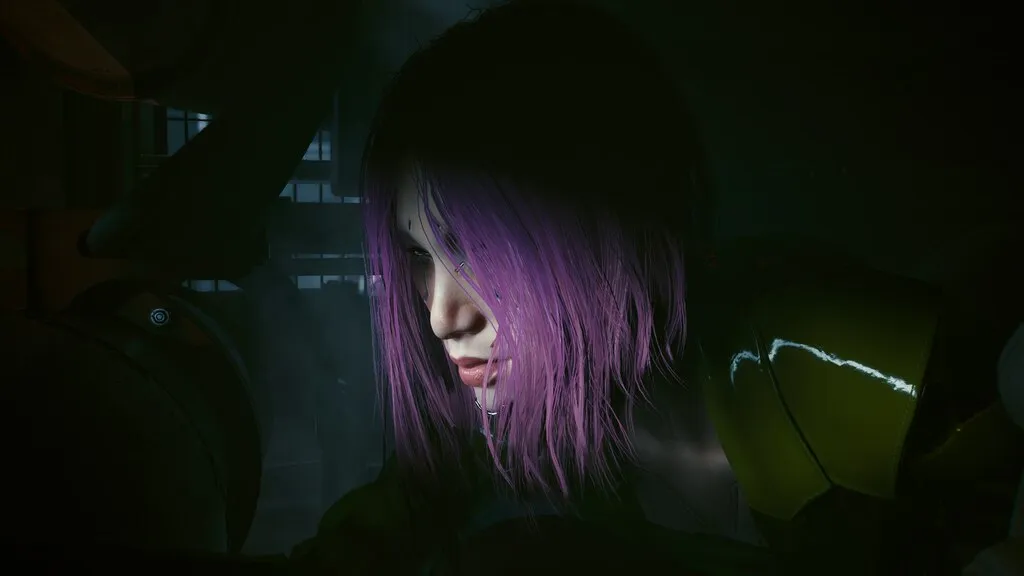
The details are where it digs in. Songbird, real name So Mi, is a netrunner who did the one thing nobody survives, reached across the Blackwall and touched what lives on the other side, and it is slowly eating her alive. The cure she promises V is real, but it comes from that same forbidden place, so trusting it means trusting the thing that is killing her. Solomon Reed is not just an agent sent to bring her in. He trained her. He was the closest thing she had to a father, and now a government that sees her as property has pointed him at her like a weapon. President Myers wants her asset back and does not much care what breaks along the way. Everyone in Dogtown is someone's tool, and the writers keep asking how much you are willing to betray to save your own life.
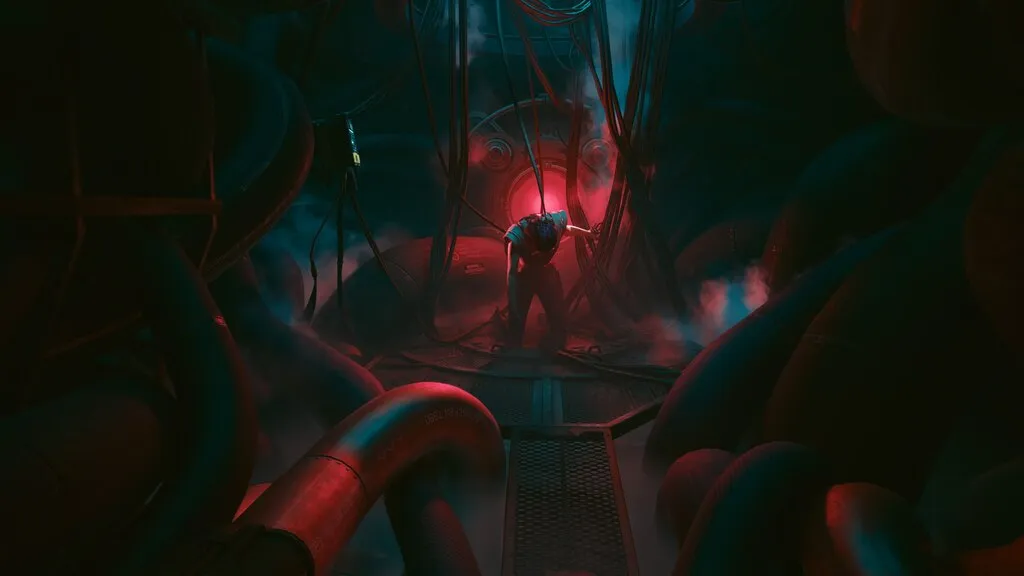
Phantom Liberty also brought the Relic skill tree, a whole new set of abilities tied to your biochip, which gave my netrunner even more filthy tricks. But the reason it matters is the choice at its center, and what that choice does to the ending of the entire game.
The Endings
This is the part I have spent the most time with, so let me go deep. Spoilers from here.
The Base Game Endings
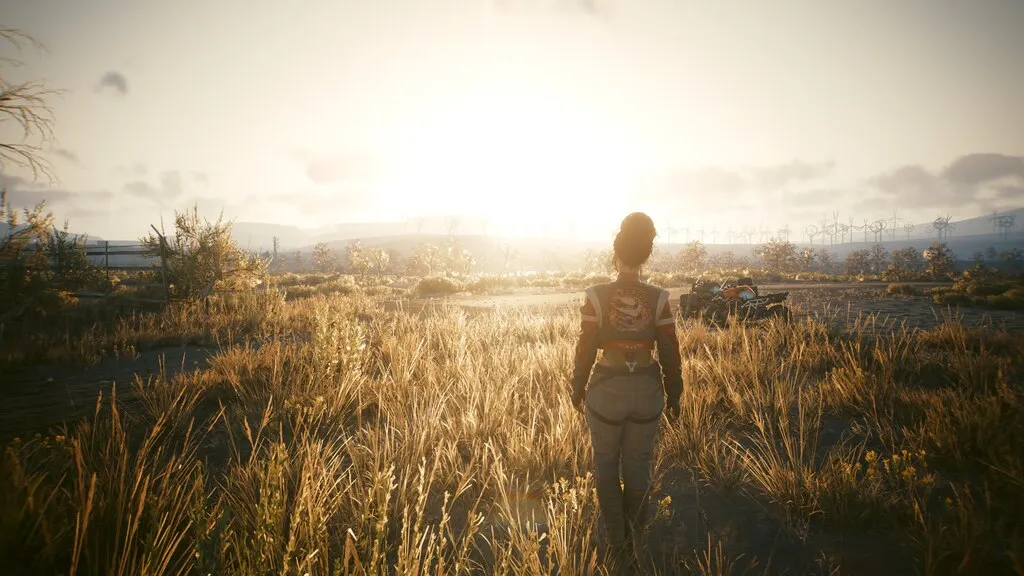
The base game never lets you win cleanly. Every path ends with V told they have about six months to live and no guaranteed fix, because the chip has already burned too much of you away. The endings are about how you choose to spend that time, and who you take down Arasaka with.
You can call Panam and storm Arasaka Tower with the Aldecaldos, then leave Night City with them to chase a cure out in the world. That is the Star ending, the closest thing to hope the game offers, an open road and a family and no promises. You can go the Rogue and Johnny route for the Sun, where V lives on as a legend and gets offered one last impossible job in orbit. You can hand your body over to Johnny for Temperance, erasing yourself so he gets a second life, and watch him walk away from everything you built. You can take Arasaka's deal in the Devil ending and learn exactly how little a corporation values a person once it owns them. And if your bond with Johnny is strong enough, you can wait at the final door and take on Arasaka Tower with just the two of you in the secret Reaper ending, the hardest and most personal run in the game. There is even the option to simply end it, quietly, which the game treats with more weight than it has any right to.
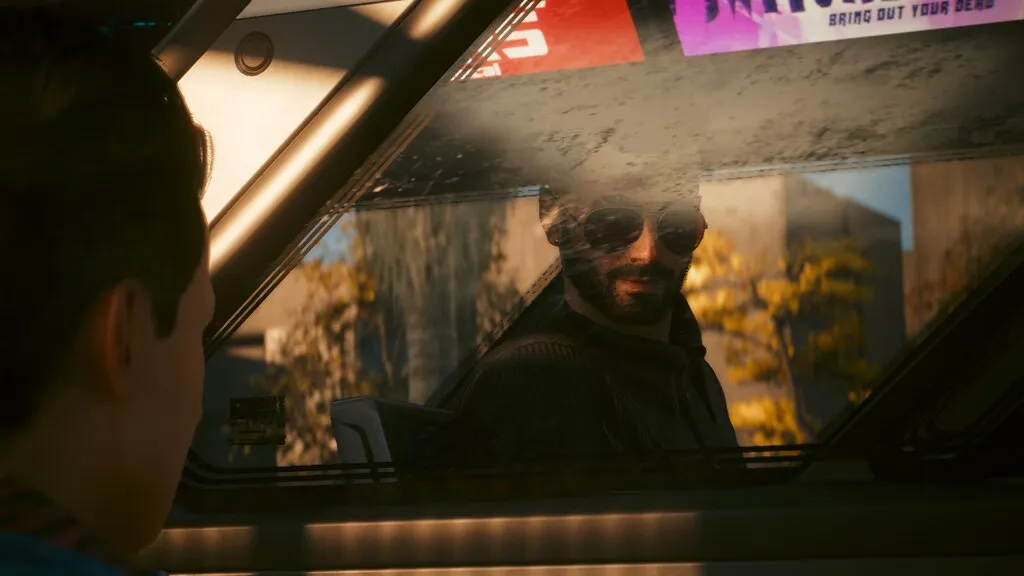
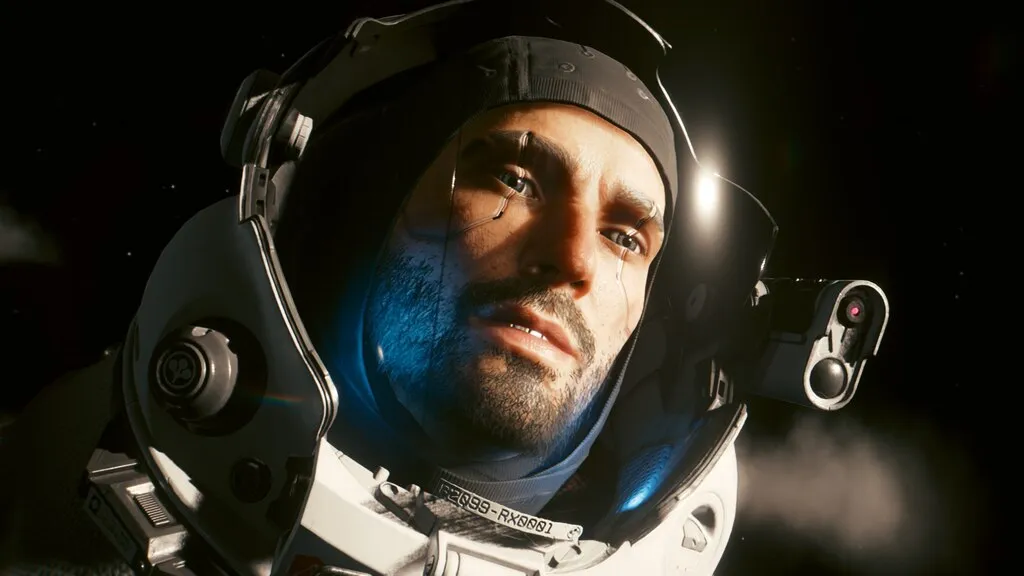
None of them are happy. That is the point. The base game is a story about dying well when you cannot die slow.
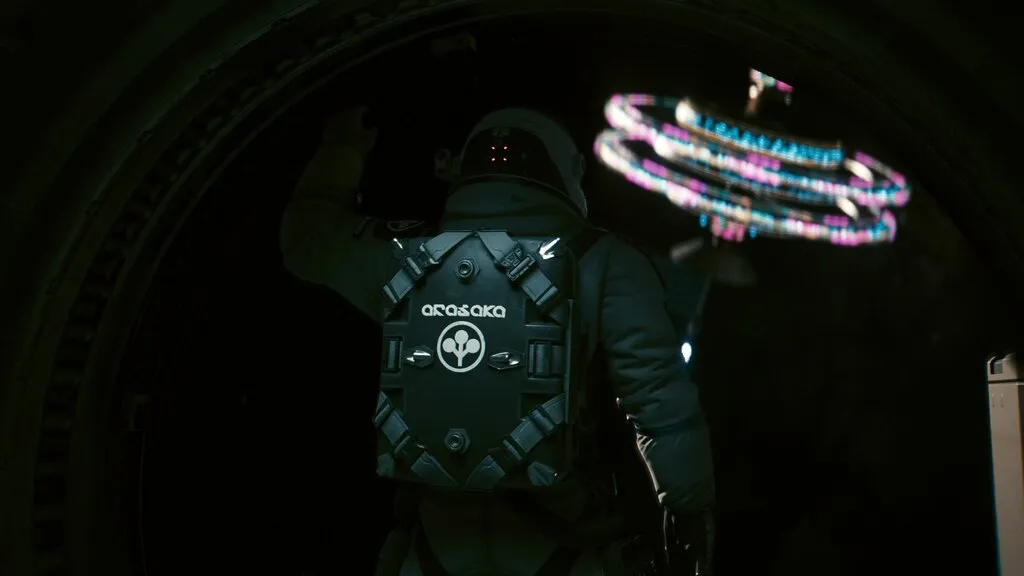
Phantom Liberty and the Tower
Phantom Liberty adds a different kind of ending, and it might be the cruelest one of all.
The expansion's central choice is Songbird or Reed. Help Songbird escape to the Moon and you side with her against Reed. Help Reed capture her and you unlock the path to the cure. The game splits these into four tarot named outcomes. Side with Songbird and it is the King of Wands, she gets away, Reed dies, and V gets nothing for their trouble. Side with Reed and you can surrender Songbird, kill her when she begs you to, or spare her and wait. Two of those paths, the King of Swords and the King of Pentacles, end with Reed helping V finally get a real cure for the Relic.
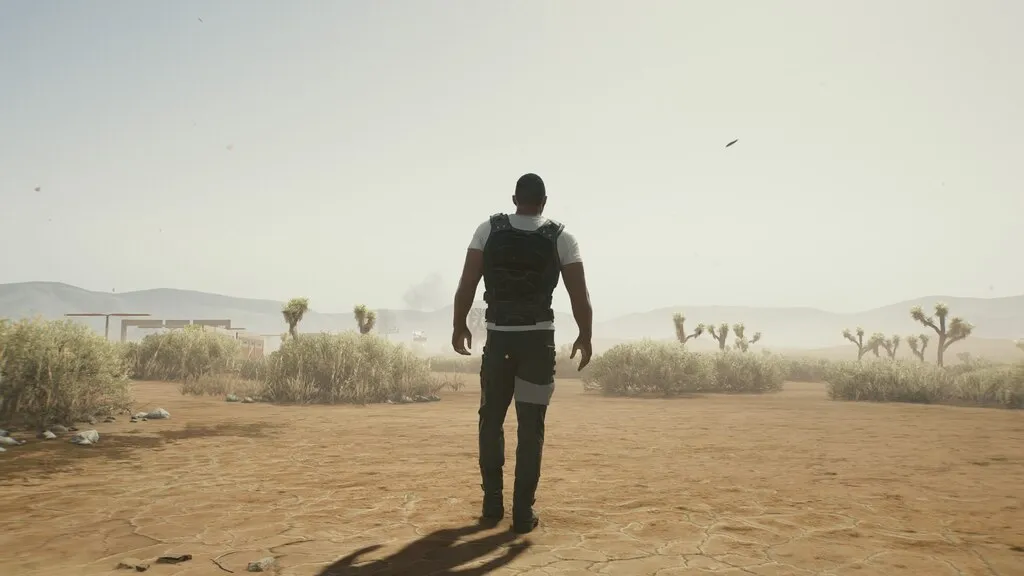
And the cure is where the knife goes in. Take it and you get the Tower ending. V goes into surgery, and then wakes up from a coma two years later. The Relic is gone, which means Johnny is gone, erased for good, the voice that lived in your head and became your closest thing to a friend simply not there anymore. And your body, after everything, can no longer handle cyberware. You are cured. You are also finished. V can never be a mercenary again. Night City moved on without you. Your friends built lives in the years you were gone. You got the one thing you spent the entire game fighting for, survival, and the price was everything that made survival worth it.
That is the ending that broke me. Not the ones where V dies. The one where V lives and has nothing left.
Why the Tower Is the Real Ending
I have played all of them. Every base game path, every Phantom Liberty branch, all four King outcomes. And after seeing the whole set, I think the Tower is the only one that is actually an ending.
Here is what I mean. Every other ending in this game quietly hands you back a save from just before the point of no return. Storm Arasaka with Panam, walk away with Johnny, take Arasaka's deal, go out in a blaze in the secret run, and when it is over the game sets you back down in Night City and lets you keep playing, lets you go do the other endings, lets you treat the whole thing as a menu you can revisit. The game itself is telling you none of those are final. You can always come back and choose again.
The Tower does not do that. Take the cure and there is no return, no free roam waiting for you, no prompt asking if you want to try a different path. The story closes and stays closed. That is why, to me, it is the true ending. It is also the one moment where the game's design and its meaning line up perfectly. The single ending where V truly cannot go back to being a merc is the single ending the game refuses to let you undo. You wanted to live. Fine. Live, and lose the ability to reload your way out of it.
I still keep a separate free roam save on the side, my V with the Canto build finished and the whole city still open, because I am not ready to let Night City go. But I know which one the game treats as the ending. The Tower is where V's story actually stops.
Where It Still Stumbles
I am not going to pretend this is a flawless game, because its whole history is a lesson in what happens when you pretend.
The launch was a disaster, and even years and a major rework later, you still feel the seams. The city looks alive but a lot of it is scenery. You cannot walk into most buildings. The daily life of Night City is a beautiful backdrop more than a simulation, and once you notice how thin the systems under the crowds are, you cannot fully unnotice it. The police are better than the joke they were at launch but still not a real threat. Some quests still hit a bug, a body that falls through the floor, a line that fires at the wrong time.
And I will say this, because it is honest: the game asks a lot of a new player before it earns their trust. I bounced off it once for a reason. If it had lost me for good, I would have missed everything I just spent two thousand words on. That is a real cost, and not everyone comes back the way I did.
Still, I have to hand it to CD Projekt Red. They could have walked away from this game after the launch it had. Instead they spent years rebuilding it, patch after patch, until the version I played runs clean and looks incredible on hardware that once choked on it. That kind of turnaround is rare, and the people who ground it out deserve the credit. There is a small sadness in it too. This is the last big thing REDengine gets to do, since the next Cyberpunk is moving to Unreal Engine 5. Whatever comes next, the engine that built Night City is bowing out on a high note it did not look like it would ever reach.
Should You Play It Now
Yes. Easily. The Cyberpunk 2077 that exists today is not the one that got torched in 2020, and if that launch is the only thing keeping you away, that reason is gone.
It is for anyone who wants a city to get lost in, a story that treats you like an adult, and a build system deep enough to disappear into. If you bounce off the first few hours the way I did, give it more room than you think you should. It does not click for everyone at the same speed, but when it clicks it does not let go. And get Phantom Liberty. It is not optional. It is the best part of the whole thing.
Conclusion
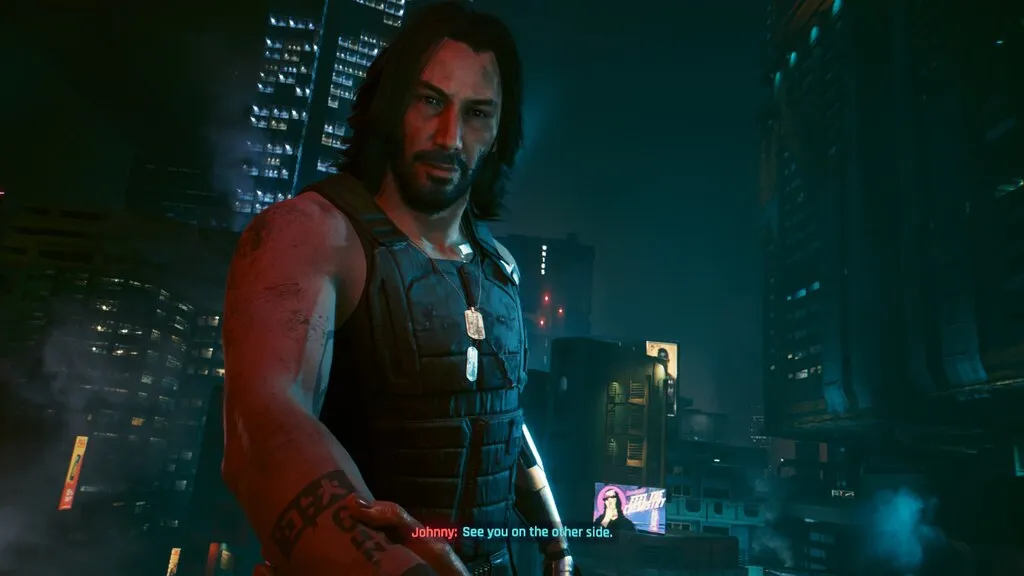
Cyberpunk 2077 is the story of a game that had no right to end up this good, told through a character whose story is about exactly that, surviving past the point where you should have been written off.
I came in late, skeptical, playing a game I don't even own, and unsure I liked open world first person games at all. I left with a screenshot folder full of Night City's women, a netrunner build I am still perfecting, a terrorist I somehow miss when he is gone, and a city I keep finding reasons to return to. It took time. It took a friend spending his own money and handing me his game to get me over the line. It took me being willing to come back after I quit. All of it was worth it.
"Wake the fuck up, Samurai. We have a city to burn."
Thanks for the game, Restu. Now go enjoy Clair Obscur: Expedition 33.